Atelier Philosophy
Each garment presents specific requirements. Construction methods are selected based on fabric properties, intended use, and existing structure. Alterations follow the original construction where possible, preserving the garment's integrity.
Materials are chosen for durability and compatibility. Thread weight, needle type, and stitch length are matched to fabric characteristics. The process is documented, and clients are informed of the approach before work begins.
Construction Principles
Seams are finished according to fabric type and garment purpose. Raw edges are enclosed, overlocked, or bound as appropriate. Interfacing is used where structure is required. Linings are attached with consideration for movement and wear.
Pattern matching is maintained across seams where fabric design requires it. Grain lines are respected. Darts and pleats are pressed and secured. Buttonholes are worked to match fabric weight and button size.
Alteration Approach
Existing construction is examined before alterations begin. Seam allowances are checked. Original stitching is preserved where possible. New seams are aligned with existing ones.
Hem finishes are matched to the original when feasible. Original thread color and weight are considered. Pressing is done with appropriate temperature and steam for the fabric type.
Material Selection
Fabric weight, drape, and durability inform selection. Natural fibers are preferred for breathability and longevity. Synthetic blends are evaluated case by case based on intended use.
Thread is selected to match or complement fabric color and weight. Buttons, zippers, and other findings are chosen for compatibility with fabric and garment style. Interfacing weight matches fabric weight.
Documentation
Each project is documented with notes on construction methods, materials used, and any specific considerations. This information is available for future reference and helps maintain consistency in approach.
Clients receive information about care instructions specific to the work performed. Recommendations for maintenance and storage are provided when relevant.
Workspace Organization
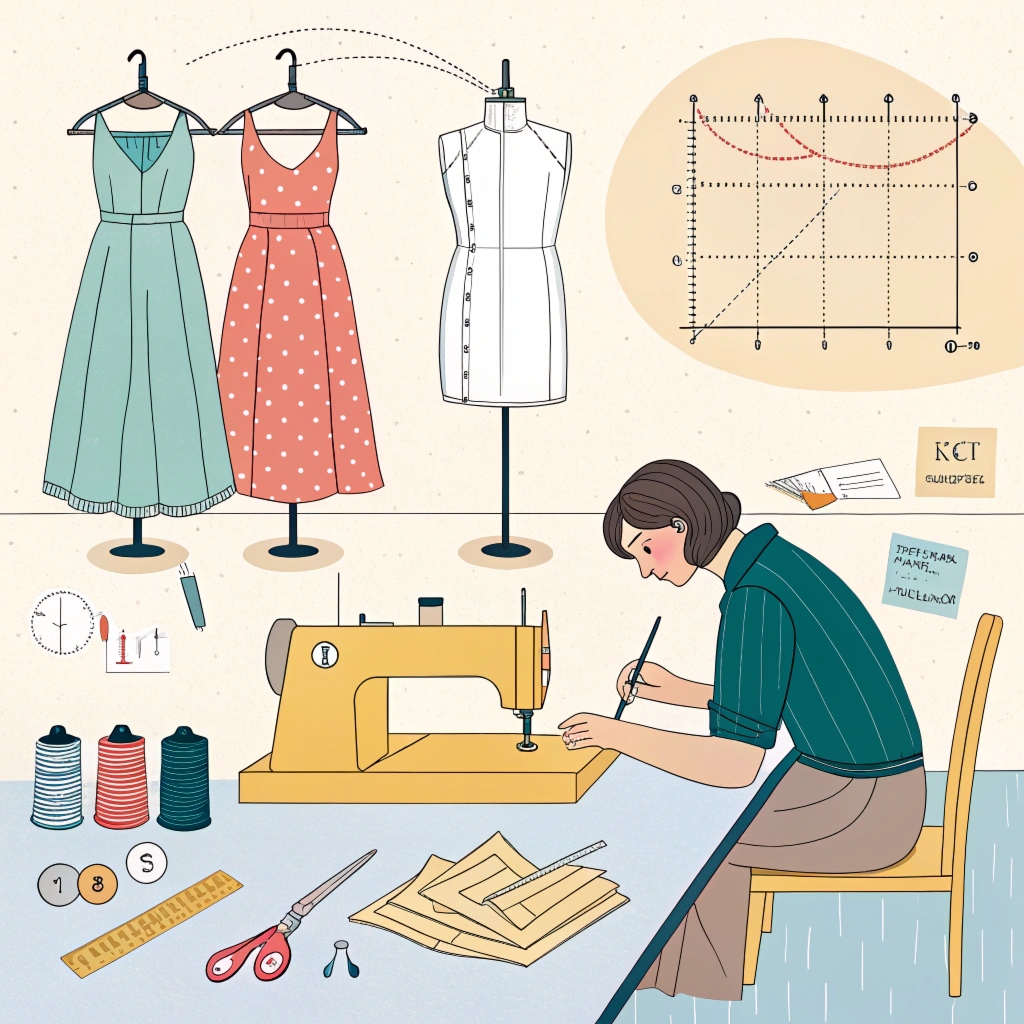
Organized Environment
Our workspace is organized to maintain efficiency and quality. Tools and materials are systematically arranged to support the construction process.
Clean work surfaces and proper lighting ensure accurate work. Equipment is maintained regularly to ensure consistent performance.
Approach to Learning
Continuous Learning
Staying current with construction techniques and material developments. Regular study of traditional and modern methods.
Material Research
Understanding fabric properties and behavior. Testing construction methods to ensure appropriate application.
Creative Solutions
Finding appropriate solutions for unique requirements. Adapting methods to suit specific projects and constraints.